I. Basic Material Properties
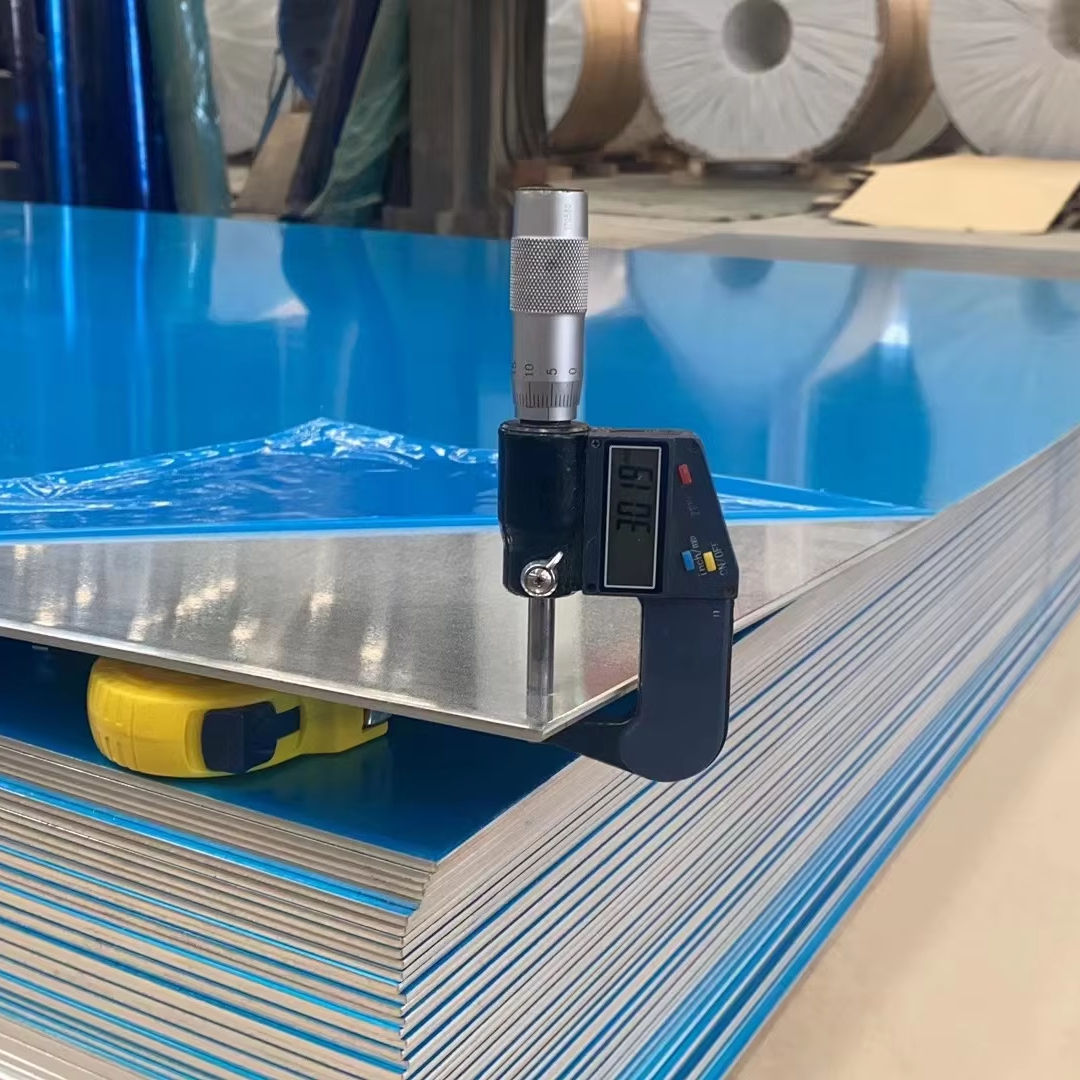
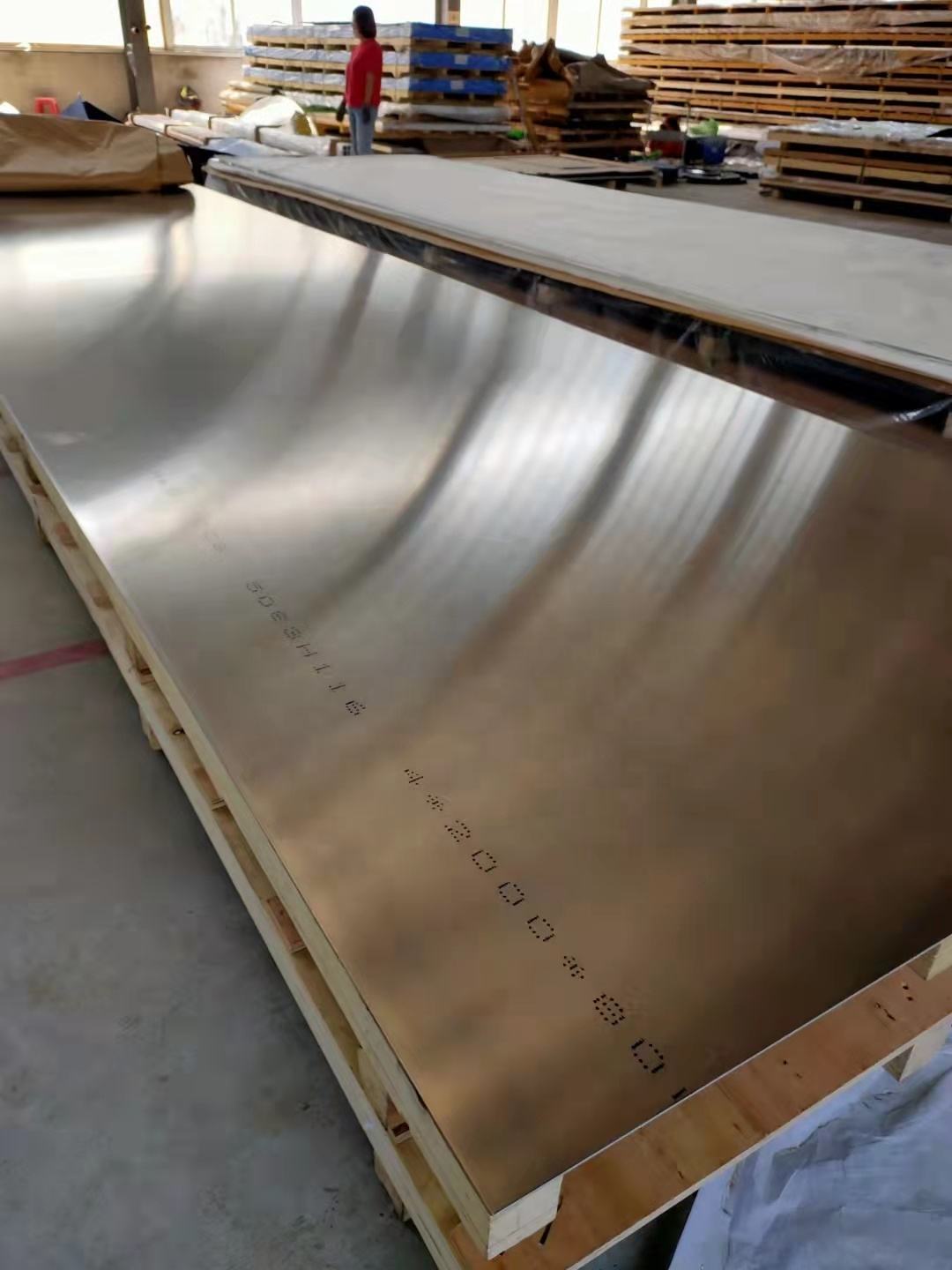
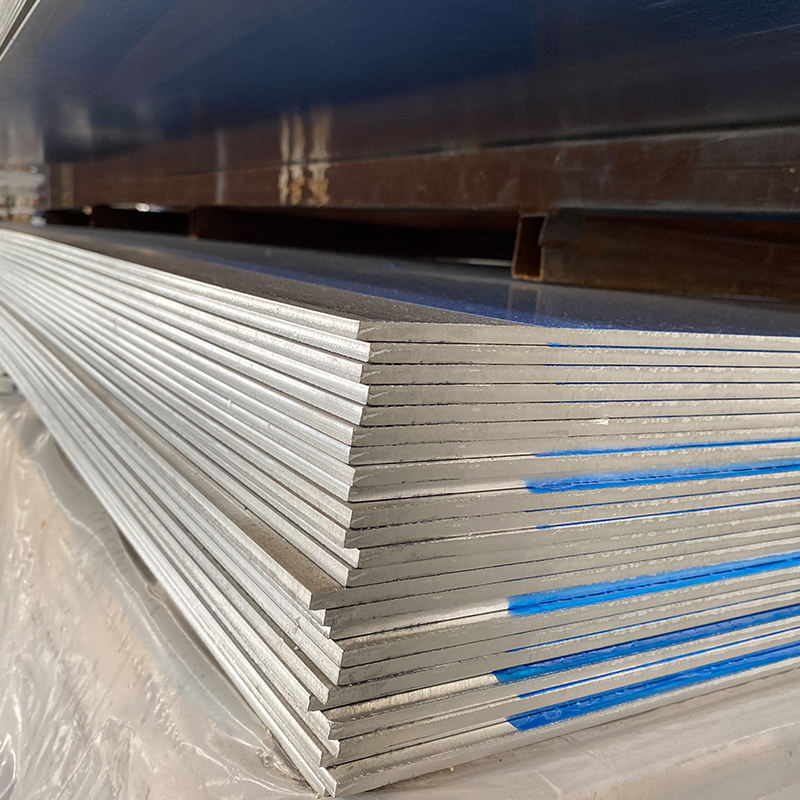
The chemical composition of 5083-H116 aluminum alloy is mainly aluminum. In terms of mechanical properties, it has clear technical indicators:
-
Specified non-proportional elongation strength: ≥215 N/mm²
-
Tensile strength: ≥305 N/mm²
-
Minimum elongation after fracture: 10% (for thickness range of 3~50 mm)
Compared to marine-grade A steel plates, 5083-H116 aluminum alloy has obvious differences in mechanical performance:
-
Slightly lower yield strength
-
Significantly insufficient tensile strength
-
Elongation is only about one-third that of marine-grade steel plates
It is characterized by low strength and poor toughness, which makes it prone to grain coarsening during welding and susceptible to cracking under welding stress — key points that need special attention in the welding process.
II. Core Welding Challenges
Due to the inherent characteristics of 5083-H116 aluminum alloy, welding faces three core challenges that directly affect weld quality and structural safety:
1. High Sensitivity to Hot Cracking
Aluminum alloys have a low melting point. During the welding process, the eutectic in the molten pool is easily subjected to stress during solidification, which can lead to intergranular cracks. These cracks will damage the integrity of the weld and affect the overall performance of the welded structure.
2. Frequent Porosity Defects
The surface of aluminum alloy is prone to form a dense oxide film (Al₂O₃), and the material surface also easily adsorbs water molecules. These substances will release a large number of hydrogen atoms during welding. Due to the rapid cooling rate of the molten pool, hydrogen atoms cannot be fully dissipated, which easily forms porosity defects in the weld and reduces the compactness of the weld.
3. Severe Joint Softening
Under thermal cycling, the heat-affected zone (HAZ) of the weld will cause the dissolution and coarsening of the magnesium trialuminate phase in the 5083-H116 material. This phenomenon leads to a significant decrease in joint strength, usually by 30% to 55%, which directly affects the load-bearing capacity of the welded structure, especially critical for marine and industrial applications.
III. Aluminum Alloy Welding Process Design
Considering the welding characteristics of 5083-H116 aluminum alloy and the strict specifications for shipbuilding (the minimum strength of the welded joint should not be less than 80% of the base metal, i.e., tensile strength ≥ 275 MPa), we have carried out a systematic welding process design, covering all key links from welding method selection to gas protection.
1. Selection of Welding Method
We adopted Metal Inert Gas Welding (MIG) as the core welding method, which has obvious advantages in solving the welding challenges of 5083-H116 aluminum alloy:
-
Effectively reduces the sensitivity to hot cracking
-
Reduces heat input during welding, thereby alleviating joint softening
-
The protective effect of inert gas reduces the contact between the molten pool and air, lowering the probability of porosity defects
-
Helps improve weld strength and quality, fully meeting shipbuilding specifications
2. Selection of Welding Material
We selected ER5183 welding wire (with a high magnesium content of 4.5%~5.2%) as the matching welding material, with a wire diameter of 1.2mm. This welding wire has the following advantages:
-
Its chemical composition fully meets the requirements of AWS A5.10/A5.10M:2023 “Specifications for Bare Aluminum and Aluminum Alloy Welding Electrodes and Welding Electrodes”
-
The high magnesium content can form a good metallurgical bond with the 5083-H116 base metal
-
Effectively improves the mechanical properties and corrosion resistance of the weld
-
Perfectly matches the welding requirements of 5083-H116 aluminum alloy, ensuring the stability of the welded joint